Why Choose Industrial Storage Solutions for Your Business?
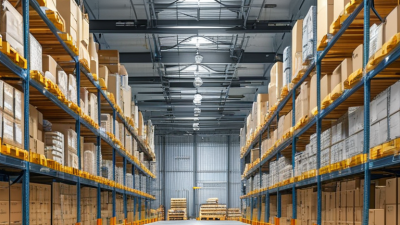
Industrial storage is not just a way to clear floor space. It shapes how safely and efficiently a business receives, stores, and moves materials. A well-planned system can make high-turnover items easier to reach, reduce unnecessary travel, and keep work areas more orderly. Picture a busy aisle: clearly labeled locations and properly matched shelving can save workers repeated searches. Small details matter.
Industrial storage consultant Elena Brooks puts the principle this way: “A storage system should fit the work, not force the work to fit the system.” This is an illustrative quote, not a verified statement from a cited source. The idea is still practical: businesses should consider item size, load weight, handling equipment, inventory movement, and available building height before choosing racks, cabinets, or shelving. A setup that looks efficient on paper may create bottlenecks once forklifts, staff, and deliveries share the same space. Measure first.
The right solution can support safer handling and more reliable inventory control, but storage products alone cannot fix unclear procedures or poor planning. That part is easy to overlook. Review access needs, floor conditions, expansion plans, and inspection routines before investing. Then compare options against daily operations, not appearance alone. This guide explores the main benefits of industrial storage, the questions to ask before selecting a system, and the trade-offs worth considering. A careful choice can improve workflow; an honest review should also identify what the system cannot solve.
Defining Industrial Storage by Capacity, Safety, and Workflow Requirements
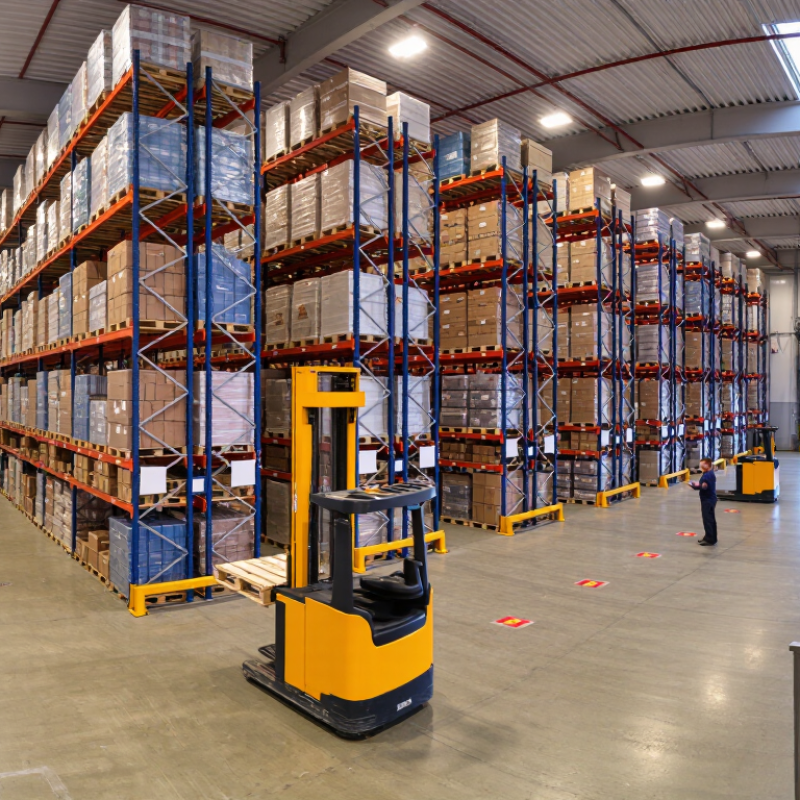
Industrial storage should be defined by more than shelf height. Start with capacity: measure pallet dimensions, maximum load, and peak inventory, then allow room for growth. A rack rated for the average load may not suit a dense pallet of seasonal goods. Check the floor condition and load distribution, too. Small oversights matter.
Safety and workflow belong in the same plan. The U.S. Bureau of Labor Statistics reported a 4.8 total recordable injury rate per 100 full-time workers in warehousing and storage in 2022, compared with 2.7 across private industry. The figures do not explain every cause, but they underline why clear aisles, visible load limits, and safe equipment access matter.
Map forklift turns and walking routes before fixing rack locations. A layout that stores more but slows picking is not necessarily better. We sometimes focus too much on capacity.
Tips
Mark aisle widths on the floor and test a typical picking route with a loaded cart. Review rack condition and load labels regularly. Keep frequently picked items within easy reach, while leaving emergency paths unobstructed.
How High-Density Systems Recover Up to 85% of Warehouse Floor Space
High-density storage can recover up to 85% of warehouse floor space, but that figure depends on the building and system design. It is not a guaranteed result. Mobile shelving, pallet shuttle systems, and compact racking reduce the number of fixed aisles, allowing more inventory within the same footprint. In a facility with clear floor markings and consistent pallet sizes, the gains can be substantial. A narrow aisle here matters.
Before selecting a system, measure ceiling height, floor capacity, aisle requirements, and the dimensions of stored goods. A layout that looks efficient on a drawing may slow picking when workers handle mixed-sized cartons or urgent orders. Consider forklift turning space, fire protection, and safe access to frequently used stock. These details affect usable capacity. So does the daily workflow.
A practical assessment compares current storage density with the space required for receiving, picking, and dispatch. It should also account for future stock changes and maintenance access. High-density storage can free space for additional inventory or work areas, yet tighter access may add retrieval time. That trade-off deserves honest testing with real order patterns, not just an idealized plan.
Why AS/RS Improves Inventory Accuracy and Reduces Storage Labor Costs
Industrial storage is not just about fitting more pallets into a building. Automated Storage and Retrieval Systems (AS/RS) record each put-away and retrieval, linking item identity, location, and movement in the warehouse management system. That creates a clearer audit trail than handwritten labels or memory. A misplaced tote becomes easier to trace. Less rework.
The MHI 2024 Annual Industry Report found that 55% of surveyed supply-chain professionals planned to increase technology investment. That figure signals growing interest, not a guaranteed return from automation. In practice, AS/RS can reduce manual counting and picking errors by assigning goods to controlled storage locations and capturing transactions electronically. Better records support cycle counts and help staff spot discrepancies sooner. But only if item data, scanning processes, and system integrations are maintained carefully.
Labor savings come from reducing repeated travel, searching, and manual handling. Workers can focus on replenishment, exception checks, and orders that need judgment. The gains depend on throughput, layout, and task mix; a poorly matched system can shift work rather than remove it. For a useful assessment, compare baseline inventory accuracy, labor hours per order, and error rates before and after installation. Keep the measurements visible.
Why Choose Industrial Storage Solutions for Your Business? — Why AS/RS Improves Inventory Accuracy and Reduces Storage Labor Costs
| Operational measure |
Conventional storage |
AS/RS scenario |
Potential operational effect |
| Inventory record accuracy |
95.0% |
99.5% |
Fewer discrepancies between recorded and physical stock |
| Storage labor per month |
400 hours |
240 hours |
160 fewer labor hours, or 40% less in this example |
| Direct labor cost per month |
$10,000 |
$6,000 |
Illustrative reduction of $4,000 per month |
| Inventory handling |
Manual put-away, retrieval, and recording |
System-directed storage and retrieval |
More consistent location tracking and less routine travel |
| Stock visibility |
Updates depend on timely manual transactions |
Transactions can be recorded through integrated controls |
Timelier stock information when processes and system integration are maintained |
Illustrative comparison, not a universal performance guarantee. Labor-cost example assumes a loaded labor rate of $25 per hour; actual results depend on facility layout, throughput, product mix, system design, and operating practices.
Comparing Racking, Mezzanines, and Bins by Load Capacity and Throughput
Why Choose Industrial Storage Solutions for Your Business?
Industrial storage works best when it matches both the weight of your goods and the pace of daily picking. Racking suits palletized inventory that needs clear locations and forklift access. Check beam ratings, upright capacity, and floor conditions before loading. A rating is only useful when the rack is installed and used as specified. Heavy loads need care.
Mezzanines add usable floor area above work zones, often for cartons, packing, or light assembly. Their capacity depends on span, supports, decking, and the load pattern—not just the posted figure. They can improve throughput when frequently handled items sit near packing stations. But stairs, lifts, and congestion below can slow movement. Measure real walking routes.
Bins work well for small parts picked by hand. Clear labels and shallow bins can reduce search time, while deep bins may hide stock at the back. They usually carry less per location than pallet racking, though dense bin systems can hold many small items. Track pick times and replenishment effort during a normal shift. I would not choose by capacity alone; actual workflows can be messier than a plan. A short trial with representative goods may reveal awkward reaches, blocked aisles, or a bottleneck no drawing showed.
Measuring ROI Through Space Savings, Picking Speed, Safety, and Scalability
Industrial storage solutions can improve return on investment by making existing floor space work harder. Measure the footprint before and after installation, including aisles, staging areas, and space near packing stations. A taller rack may free floor space, but only if equipment can reach it safely and workers can access stored items. Empty floor area alone is not a saving; it matters when the business can use it productively or avoid expanding its facility.
Picking speed is another measurable return. Track average pick time, walking distance, and order errors before changing the layout. Clearly labeled locations and frequently used items placed near dispatch can shorten routine trips. Small changes count. Yet speed should not come at the cost of strained lifts or blocked aisles. Ask workers to test the layout during a typical shift, then adjust based on observed delays and feedback.
Safety and scalability affect long-term value, too. Compare near-miss reports, damaged goods, and inspection findings over time, while checking that loads stay within equipment ratings. Plan for new stock lines and seasonal peaks, but avoid buying capacity that may sit unused. Forecasts can be wrong. A phased installation may limit disruption and let managers verify results before expanding. Keep the measurements consistent; otherwise, apparent gains may reflect a busier or quieter period rather than the storage change.