Top 10 Warehouse Shelving Solutions for Efficient Storage?
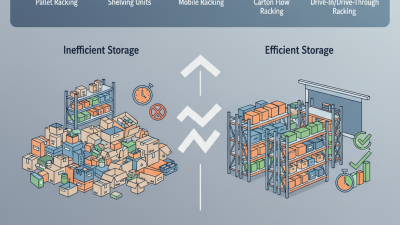
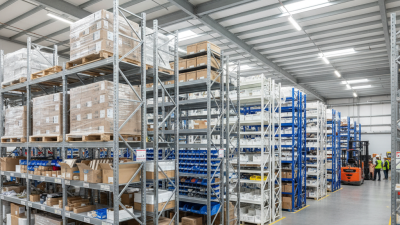
In today's fast-paced world, efficient storage is vital for businesses. Warehouse shelving solutions play a crucial role in optimizing space and improving productivity. Choosing the right shelving can transform cluttered warehouses into organized spaces. High-quality shelving enhances accessibility and maximizes storage capacity.
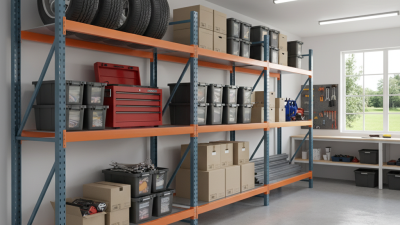
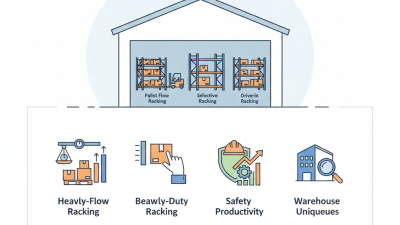
Warehouse shelving comes in various styles. Some options offer adjustable heights, while others focus on weight capacity. Businesses must consider their unique needs when selecting shelving systems. Each type has strengths and weaknesses that can impact efficiency. Reliable shelving solutions contribute to smoother operations and reduced downtime.
Investing in adequate shelving may seem straightforward. However, many overlook the importance of proper selection. A mismatch between shelving and inventory can lead to challenges. Mismanagement of space limits growth potential and causes frustration. Reflecting on these factors is essential for long-term success.

Top 10 Warehouse Shelving Solutions That Maximize Storage Efficiency
When considering warehouse shelving solutions, efficiency is paramount. Proper shelving can maximize your storage capacity and create a responsive environment. Select shelving that matches your inventory's dimensions. Adjustable shelves offer versatility as your storage needs change.
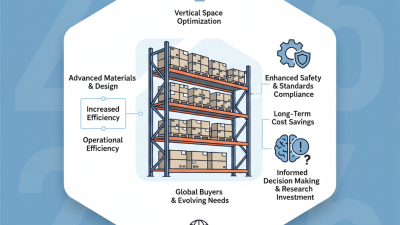
Utilizing vertical space is crucial. Tall shelving units can increase capacity significantly. However, it’s essential to ensure safety. Properly secured units reduce risks and provide stability. Be mindful that overcrowding shelves makes retrieval difficult.
Be open to reassessing your shelving choices. Regularly evaluate your storage solutions to adapt to evolving inventory needs. Conduct periodic audits of your space and assess if your shelves meet your current demand. This reflection ensures you maintain an efficient storage operation.
Comparison of Different Shelving Materials: Steel vs. Plastic vs. Wood
When choosing shelving materials for your warehouse, consider steel, plastic, and wood. Each has distinct characteristics that impact efficiency. Steel is robust and ideal for heavy loads. Its durability ensures long-term use. However, it may rust if not properly maintained. Plastic shelves are lightweight and resistant to corrosion. They are perfect for environments where water is a concern. Yet, plastic may not support as much weight as steel. Wood offers a classic look. It’s strong but requires care to avoid damage from moisture and pests.
In terms of space optimization, steel shelving allows for high stacking. This maximizes vertical space in your warehouse. However, ensure that the area is well-ventilated. This prevents any potential buildup of moisture around steel frames. For lighter items, consider using plastic. They are easier to move and flexible in design. Yet, if the items are heavy, you might risk damage to the shelves.
When implementing your shelving solution, think about modular designs. They give you flexibility to adapt your space over time. Always measure your load requirements accurately. Misjudging can lead to safety hazards. Think carefully about your choice of material. Each type has its own risks and benefits. Being informed helps in making the right decision.
Understanding Load Capacities: Selecting the Right Shelving for Your Needs
When choosing warehouse shelving, understanding load capacities is crucial. Different types of shelving can handle varying weights. For instance, a standard steel shelf can support around 500 to 1,000 pounds per shelf level. This capacity varies with design and materials. Heavy-duty options may accommodate up to 5,000 pounds, ideal for industrial settings.
Evaluating your storage needs involves several factors. Consider the weight of your items, the shelving configuration, and the expected frequency of access. A well-organized warehouse can significantly improve efficiency. Industry data suggests that effective shelving can increase storage capacity by 30% or more, optimizing your space.
Review your shelving every few months. Look for signs of wear or overloading. Adjusting your setup based on usage can prevent accidents. Engaging a professional to assess your shelving strategy may reveal opportunities for improvement. Regular audits help ensure your shelving continues to meet your operational demands.
Top 10 Warehouse Shelving Solutions for Efficient Storage
The Impact of Organizational Systems on Warehouse Productivity and Space Use
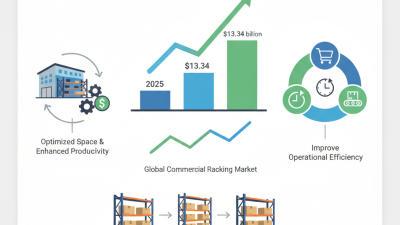
Efficient organizational systems in warehouses can significantly boost productivity. According to a 2021 report by the Warehousing Education and Research Council, optimized shelving can increase storage efficiency by up to 30%. This improvement leads to faster retrieval times and reduced labor costs. With appropriate shelving solutions, businesses can maximize vertical space and minimize wasted areas.
Using varied shelving types can cater to different product sizes. For instance, adjustable racks allow for flexibility as inventory changes. Many companies fail to reassess their shelving needs regularly. This oversight can lead to bottlenecks in operations and hinder overall efficiency. Regular audits of the shelving layout can reveal insights that improve workflow and space usability.
Utilizing labels for organization is another effective strategy. Clear labeling helps workers locate items quickly, minimizing time lost searching for products. Poor organization can create chaos and lead to errors. A systematic approach to inventory and shelving pays dividends over time. Employees will feel empowered in an organized environment, leading to better morale and productivity. Proper organization isn't just a good practice; it's essential for operational success.
Incorporating Modular Shelving: Flexibility in Warehouse Design and Layout
Incorporating modular shelving into your warehouse design allows for smarter use of space. Modular systems enable you to adjust shelf heights and configurations as inventory needs change. This is particularly beneficial in dynamic environments where product lines frequently update. The ability to reconfigure shelving without extensive renovations saves time and cost.
Flexibility in warehouse layouts can lead to improved workflow. By experimenting with different shelving arrangements, facilities can enhance accessibility. Employees can find products faster, reducing search time. While modular shelving offers great adaptability, it's essential to regularly assess your layout. Inefficiencies can creep in if adjustments are not evaluated periodically. Re-evaluating storage needs can lead to better organization, but it requires ongoing effort and investment.
Modular shelving also presents challenges. If not monitored, it could lead to overstocking or clutter. Having an organized system must be balanced with realistic inventory management practices. Regular audits can help ensure the shelving layout meets actual operational needs. Even the best systems can fall short without proper oversight. It’s crucial to keep an eye on performance metrics to ensure your shelving strategy remains effective.