How to Choose the Best Warehouse Shelving for Your Needs?
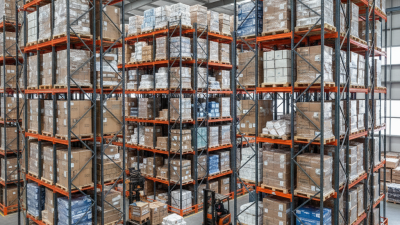
Choosing the right warehouse shelving is crucial for optimizing space and efficiency. According to recent industry reports, businesses can improve storage capacity by up to 30% with the right shelving solutions. This significant increase highlights the importance of thoughtful selection.
Warehouse shelving comes in various forms, including pallet racks and industrial shelving. Each type serves specific operational needs. A study from the Warehouse Equipment Manufacturers Association (WEMA) noted that improper shelving can lead to safety hazards and inefficiencies. Many companies overlook these risks, leading to costly consequences.
Investing in high-quality shelving is more than a financial decision; it impacts workflow and productivity. For instance, a well-organized shelf system can reduce retrieval times by up to 40%. However, the wrong choice may result in wasted resources. Understanding your unique needs and the available options is vital in this decision-making process.
Understanding Your Warehouse Space and Layout Needs
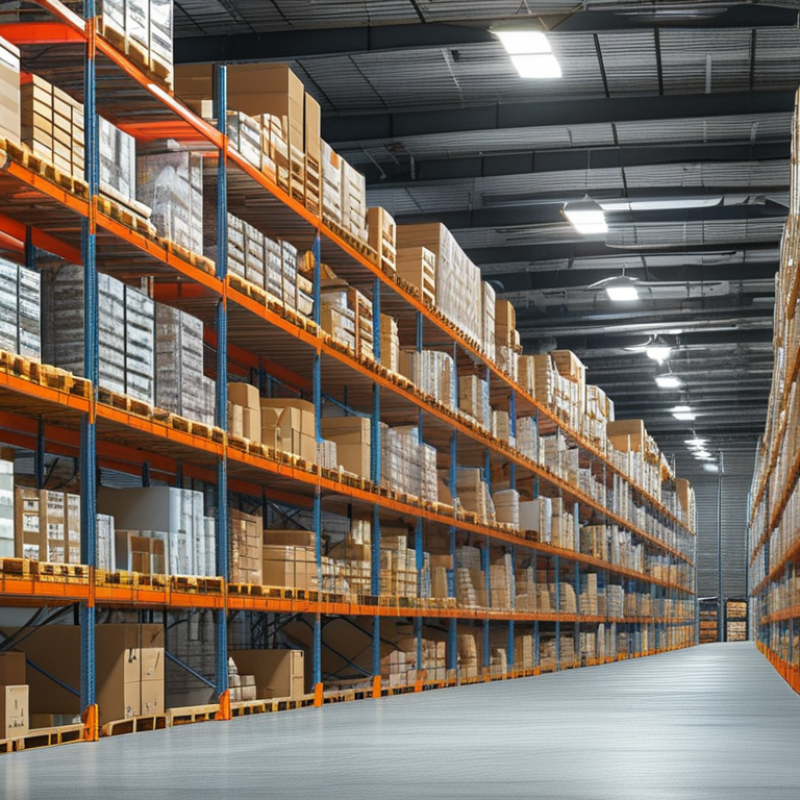
When assessing your warehouse space, understanding its layout is crucial. A recent report from the Warehousing Education and Research Council indicates that nearly 60% of warehouses face inefficiencies due to poor space utilization. This data reveals that many operators neglect to evaluate their vertical space. High-ceiling areas often remain underused, limiting overall capacity.
Evaluate aisle widths and shelf heights. Research suggests that aisle widths should be adjusted according to storage and retrieval methods. For instance, narrow aisles can increase storage density, but may hinder maneuverability for larger equipment. Some facilities benefit from adjustable shelving, allowing them to adapt to different inventory types. A flexibility study indicated that facilities with modular shelving systems increased their capacity by 20% within a year.
Consider your inventory turnover. Some items may require quick access, while others can be stored further away. A study by the Material Handling Industry highlighted that warehouses with a clear layout strategy reduced picking errors by 25%. It’s important to integrate your shelving choices with workflows, ensuring each item is easily reachable. While aiming for efficiency, facilities should remain open to reassessing their layout regularly. Balancing aesthetics with functionality may not always yield immediate returns, but it is essential for long-term success.
Evaluating Different Types of Warehouse Shelving Systems
When evaluating different types of warehouse shelving systems, start by considering your specific storage needs. Are you storing bulk items, small parts, or heavy machinery? The type of items will influence your choice of shelving. For instance, pallet racks are ideal for large items and pallets, while metal shelving works best for smaller, lighter products.
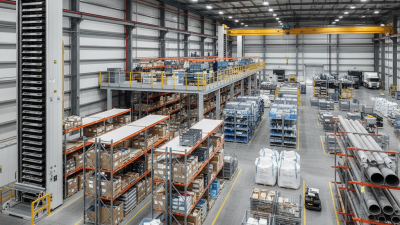
Next, think about the space available in your warehouse. High ceilings can accommodate taller shelving units, maximizing vertical space. Modular shelving allows customization based on your needs. Reflect on the layout of your warehouse. Aisle width is crucial for movement and accessibility, ensuring staff can easily navigate without obstruction.
Cost is another factor. While some shelving systems may seem expensive upfront, consider their long-term durability and maintenance costs. Sometimes, a higher initial investment can lead to savings over time. However, don't overlook used shelving options. They can provide reliable solutions at a lower cost. Each choice has its benefits and drawbacks, and reflection on your operational priorities will lead to the best decision.
How to Choose the Best Warehouse Shelving for Your Needs? - Evaluating Different Types of Warehouse Shelving Systems
| Type of Shelving |
Material |
Weight Capacity per Shelf |
Adjustability |
Ideal Use Case |
| Boltless Shelving |
Steel |
800 lbs |
Highly adjustable |
Flexible storage solutions |
| Selective Pallet Racking |
Steel |
1,500 lbs |
Fixed |
Heavy-duty pallet storage |
| Cantilever Racking |
Steel |
2,000 lbs |
Adjustable |
Long, bulky items |
| Drive-in Racking |
Steel |
3,500 lbs |
Fixed |
Bulk storage with high density |
| Mobile Shelving |
Steel |
500 lbs |
Adjustable |
Space optimization in small areas |
Determining Load Capacity and Strength Requirements
When selecting warehouse shelving, load capacity and strength requirements are crucial considerations. According to the Material Handling Industry of America (MHIA), nearly 70% of warehouse injuries are due to improper storage setups. This emphasizes the importance of assessing the weight limits of your shelving system.
Before making a purchase, evaluate the types of items you plan to store. For instance, standard pallet racks can typically handle up to 3,000 pounds per shelf. Heavier items may require industrial shelving, which can support over 5,000 pounds per unit. Make sure to calculate the total weight of your inventory. Always factor in safety margins to prevent overloading, which can lead to catastrophic failures.
Additionally, consider the material of the shelving. Steel shelves provide superior strength but may have higher costs. On the other hand, plastic options are lighter but less durable. According to the Occupational Safety and Health Administration (OSHA), using subpar shelving materials can increase risks and lead to compliance violations. It's essential to understand not just the specifications, but also how your storage choice impacts overall warehouse safety and operational efficiency. Regularly reviewing load capacities can prevent potential hazards and ensure your storage solutions align with evolving business needs.
Considering Accessibility and Organization Features
When selecting warehouse shelving, accessibility is a crucial factor. You want to ensure that your team can easily reach products. Implementing shelving with adjustable heights can provide flexibility. This way, items are not just piled in hard-to-reach areas. Make sure shelves have safe weight limits appropriate for the products they hold.
Organization features also play a significant role. Consider shelving systems that allow for labeled sections. This can save time, especially in busy environments. Colors or designs can help differentiate various products, making them visually identifiable. Regularly review the setup to ensure it meets changing inventory needs.
Incorporating mobile shelving units might enhance flexibility. They allow you to reconfigure your warehouse space as needed. However, this can lead to potential disorganization if not managed well. Evaluate how often your storage needs change. If it’s infrequent, fixed shelving might be the better choice. Always assess the flow of work and traffic around shelving for optimal efficiency.
Assessing Budget Constraints and Long-Term Value
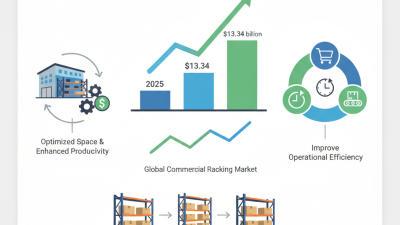
When selecting warehouse shelving, budget constraints play a vital role. It's essential to assess both initial costs and long-term value. A report from the Material Handling Industry (MHI) states that organizations often overspend on shelving due to a lack of strategic planning. To avoid financial strain, consider storage needs carefully. A well-planned layout can minimize excess spending while maximizing space efficiency.
Research shows that investing in durable shelving can offer a better return over time. Cheaper options might save money upfront but often lead to higher replacement costs. A study found that high-quality shelving can last up to 20% longer than standard alternatives. This longevity translates into savings due to reduced maintenance and replacement costs.
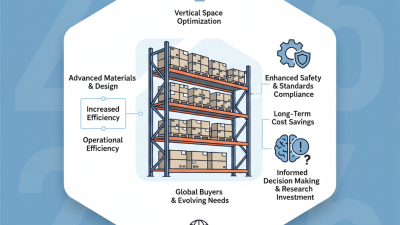
Utilizing a systematic approach when choosing resources can enhance informed decision-making. Look at metrics like weight capacity, material durability, and space optimization. Remember to factor in future growth. An adaptable shelving system can accommodate changing inventory needs without requiring complete replacements. Reflect on current and future requirements to ensure your investment aligns with long-term goals.
Warehouse Shelving Costs vs. Long-Term Value