How to Choose Heavy Duty Pallet Racks for Your Warehouse?
Choosing heavy duty pallet racks is not simply a matter of selecting the tallest frame or the lowest price. A rack system must match pallet weight, load dimensions, warehouse height, forklift movements, and expected growth. MHI’s 2024 Annual Industry Report indicates that 55% of supply chain professionals expect technology investment to increase within two years. That investment should include practical storage planning, not only software and automation.
The right decision begins with verified load data. Record each pallet’s weight, width, depth, and stacking pattern. Then check beam capacity, upright strength, aisle width, floor condition, and available clearance. The Rack Manufacturers Institute provides technical guidance for designing and inspecting steel storage systems. OSHA also emphasizes safe material handling, stable storage, and properly maintained equipment. Local building and seismic requirements may affect the final design.
Small details matter.
A forklift turning too tightly can damage uprights repeatedly. An overloaded beam may show no warning before failure. These risks deserve attention during product selection, installation, and daily inspections. Experienced warehouse managers should review supplier calculations and confirm whether stated capacities apply to the complete configuration. A spreadsheet can look precise while hiding a weak assumption. This guide explains how to compare rack types, validate capacity, assess safety features, and avoid costly redesigns. Reliable heavy duty pallet racks should support today’s operation without creating tomorrow’s bottleneck.
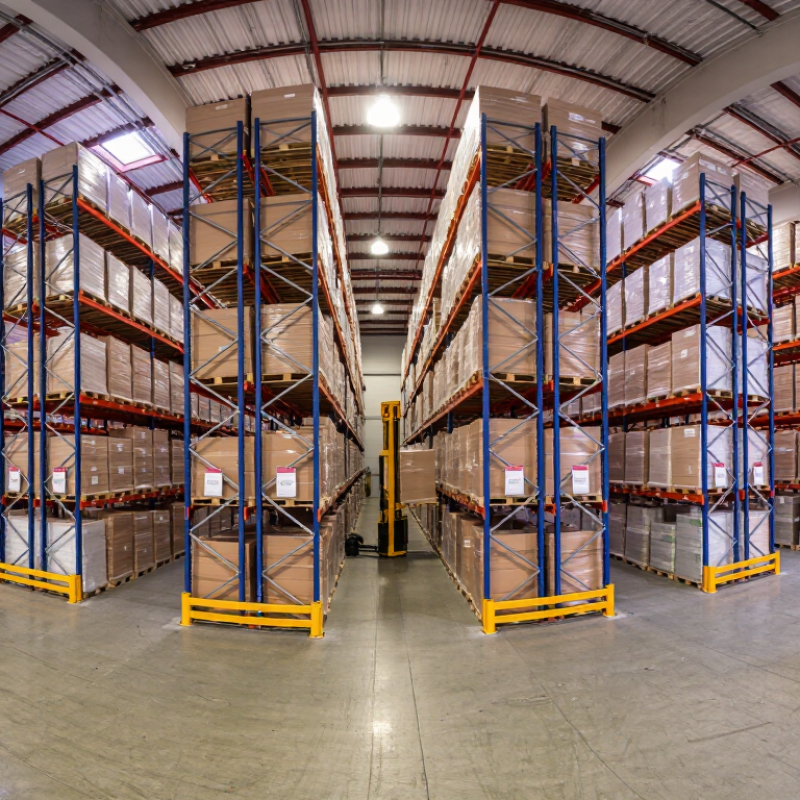
Understanding Heavy-Duty Pallet Rack Types and Warehouse Requirements
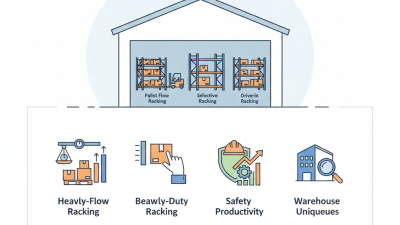
Choosing heavy-duty pallet racks starts with understanding the warehouse, not the rack catalogue. Selective racks suit varied SKUs and direct forklift access. Drive-in racks improve density for uniform products with limited rotation. Push-back systems support LIFO storage, while pallet-flow racks support FIFO movement. Cantilever racks handle long goods, such as pipes or timber.
Measure every load.
MHI’s 2024 Annual Industry Report surveyed more than 1,000 supply-chain professionals. It identifies labor availability, inventory control, and operational efficiency as continuing warehouse pressures. These pressures influence rack selection. A high-density system may reduce travel, but it can restrict access during urgent picking. WERC benchmarking research also emphasizes storage density, order accuracy, and labor productivity as connected performance measures. The rack must support all three.
Record pallet weight, height, dimensions, and turnover frequency. Check forklift reach, aisle width, slab capacity, sprinkler clearance, and seismic conditions. OSHA 29 CFR 1910.176 requires stored materials to remain stable and not create hazards. Racking should also follow applicable structural guidance, including ANSI/RMI MH16.1. In practice, one overlooked beam level can disrupt an entire aisle. I would recheck the heaviest mixed pallet, not the average one. A perfect layout rarely survives real operations. Rack inspections, load plaques, and trained operators remain essential after installation.
Assessing Load Capacity, Dimensions, and Storage Conditions
Choosing heavy-duty pallet racks starts with three measurable questions: load capacity, dimensions, and storage conditions. A rack is not safe simply because its steel looks thick.
Calculate the maximum pallet weight, then include the load from every beam level. Add a safety margin for uneven loading and future inventory changes. ANSI/RMI MH16.1-2023 provides engineering guidance for rack design, beam capacity, and connection performance. The 2022 U.S. Bureau of Labor Statistics report recorded a 4.8-case injury rate per 100 full-time workers in warehousing and storage, compared with 2.7 across private industry. Capacity decisions deserve careful review.
Measure pallet length, width, height, and forklift clearance. Leave enough space for damaged pallets and imperfect placement. A 1,000-kilogram pallet may need different beams when its weight is concentrated near the center. I have seen layouts fail because planners measured the pallet, but not the turning radius. That mistake is expensive.
Storage conditions also change the specification. Cold rooms, humidity, corrosive chemicals, and outdoor exposure can weaken finishes or affect anchoring. FM Global Data Sheet 8-34 links sprinkler design with commodity type, storage height, and rack arrangement. Check ceiling height, floor strength, seismic risk, and fire protection before ordering. Conditions vary.
Do not rely on a catalog rating alone. Ask for tested capacities, installation tolerances, inspection procedures, and professional structural review. My own planning can still be imperfect; actual operations often reveal clearance problems that drawings miss. Warehouse teams should document changes after every relocation.
Choosing the Right Rack Configuration and Material
Choosing heavy-duty pallet racks starts with the load, not the available floor space.
Measure pallet width, depth, height, and actual weight, including seasonal changes. Select a configuration that matches handling equipment and aisle conditions. Selective racks suit varied stock and provide direct access. Double-deep systems increase density but require compatible equipment and stricter inventory planning. Drive-in layouts improve storage density, yet they reduce immediate access and demand disciplined loading.
Material choice affects capacity, durability, and maintenance. Structural steel uprights should resist bending, while beams need verified load ratings. In damp areas, protective coatings can slow corrosion, but they do not replace inspections. Consider galvanized components or suitable finishes near wash zones. Check floor strength, anchor requirements, and beam deflection limits with a qualified engineer. I have seen racks chosen for maximum capacity when daily forklift traffic was the real concern. The layout looked efficient on paper. It was not.
Tips: Leave safe clearance around pallets, sprinklers, columns, and forklift paths. Use documented load ratings, not estimates. Inspect connectors, anchors, and beam locks regularly. Replace damaged parts promptly. A perfect layout rarely exists. Review one aisle during a busy shift before approving the entire design. This small test may reveal turning problems, poor visibility, or handling delays that drawings miss.
Checking Safety Standards, Durability, and Installation Needs
Choosing heavy-duty pallet racks starts with the floor, load, and daily handling routine. During warehouse assessments, I measure aisle widths and inspect slab condition before discussing rack height. Each beam must match the heaviest pallet, not the average one. Record pallet dimensions, weights, and stacking patterns. Small errors become expensive failures. Ask a qualified engineer to verify capacity, anchoring, and local seismic requirements. Safety labels should remain visible at every bay. Operators need clear training on loading limits, impact prevention, and reporting bent components.
Durability depends on more than thick steel. Look for corrosion-resistant finishes, reinforced frames, secure beam connectors, and replaceable protectors. In cold, damp, or high-traffic areas, coatings and guards deserve extra attention. Check whether upright posts stay plumb after installation. They should. A rack can appear solid while hidden floor damage weakens its anchors. Schedule documented inspections after impacts, relocations, and unusual overloads. Photos help compare gradual changes. We once overlooked a slightly twisted frame during a busy shift; that delay taught us to inspect from multiple angles.
Installation requirements should be settled before delivery. Confirm floor flatness, ceiling clearance, sprinkler access, lighting, and equipment routes. Use trained installers who follow engineered drawings and torque specifications. Do not improvise missing anchors or mix incompatible components. Leave safe clearances for forklifts and pedestrians, then test representative loads carefully. A practical installation plan includes delivery staging, temporary barriers, and a sign-off record.
How to Choose Heavy Duty Pallet Racks for Your Warehouse?
Typical rated load capacity by pallet rack duty class, with key factors for safety, durability, and installation planning.
Typical engineering ranges are shown for comparison only. Final selection should be based on the manufacturer’s rated capacity, beam and frame design, floor loading, seismic conditions, pallet dimensions, forklift clearance, anchoring requirements, and applicable local safety standards.