How to Choose the Right Commercial Racking System for Your Business Needs
In today's competitive marketplace, choosing the right commercial racking system is crucial for optimizing space, improving efficiency, and ensuring the safety of stored goods. The global warehouse racking system market is projected to reach USD 15 billion by 2025, driven by the growth of e-commerce and the need for effective inventory management. With increased demand for storage solutions, businesses must carefully evaluate their unique needs and select a system that supports their operational goals.
Commercial racking systems come in various types, including selective, drive-in, and pallet flow racks, each designed to enhance storage capacity and accessibility. According to a report by MarketResearchFuture, the increasing demand for automated warehouses is further fueling advancements in racking technology, allowing businesses to maximize their vertical space and streamline their logistics operations. As companies increasingly adopt just-in-time inventory strategies, the ability to choose the right commercial racking system becomes paramount in reducing costs and improving overall productivity.
When considering a commercial racking solution, factors such as weight capacity, warehouse layout, and inventory turnover rates must be taken into account. By conducting thorough research and understanding the specifications of different racking options, businesses can effectively tailor their storage solutions to meet their operational demands while ensuring compliance with safety regulations.
Understanding Different Types of Commercial Racking Systems
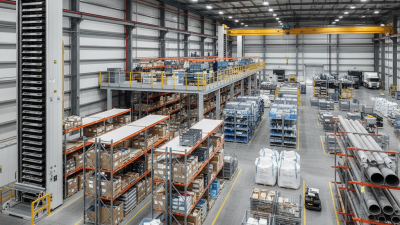
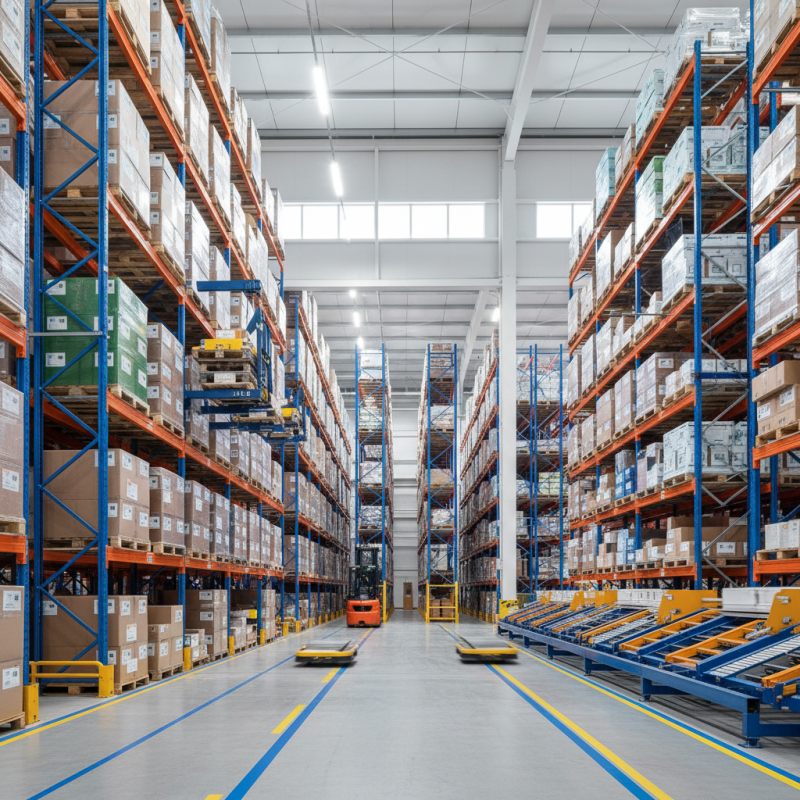
When selecting a commercial racking system, it's essential to understand the variety of available options, each designed to cater to specific business needs. Among the most common types are selective pallet racks, which provide direct access to each pallet; drive-in and drive-thru racks, allowing forklifts to enter the storage lanes; and cantilever racks, ideal for storing long or bulky items. According to a report by IBISWorld, the warehouse rack industry has seen a growth projection of 3.1% annually over the next five years, highlighting the increasing importance of efficient storage solutions in modern warehouses.
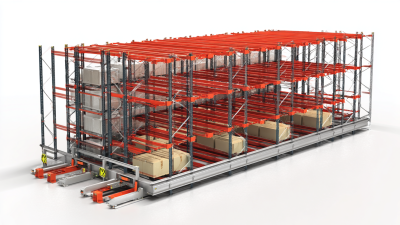
Tips for choosing the right racking system include assessing your inventory characteristics and turnover rates. For instance, fast-moving items may benefit from selective racks, which offer quicker access and flexibility. Meanwhile, if your business handles less frequently accessed goods, high-density storage options like push-back or pallet flow racks may optimize your space and improve efficiency.
Additionally, consider the future scalability of your chosen racking system. A study by the Material Handling Industry of America emphasized that businesses adopting modular racking solutions can enhance operational agility, allowing for easy expansion as needs evolve. Investing in a system that can grow with your business will save time and resources in the long run, making it a crucial factor in your decision-making process.
Assessing Your Storage Space and Inventory Needs
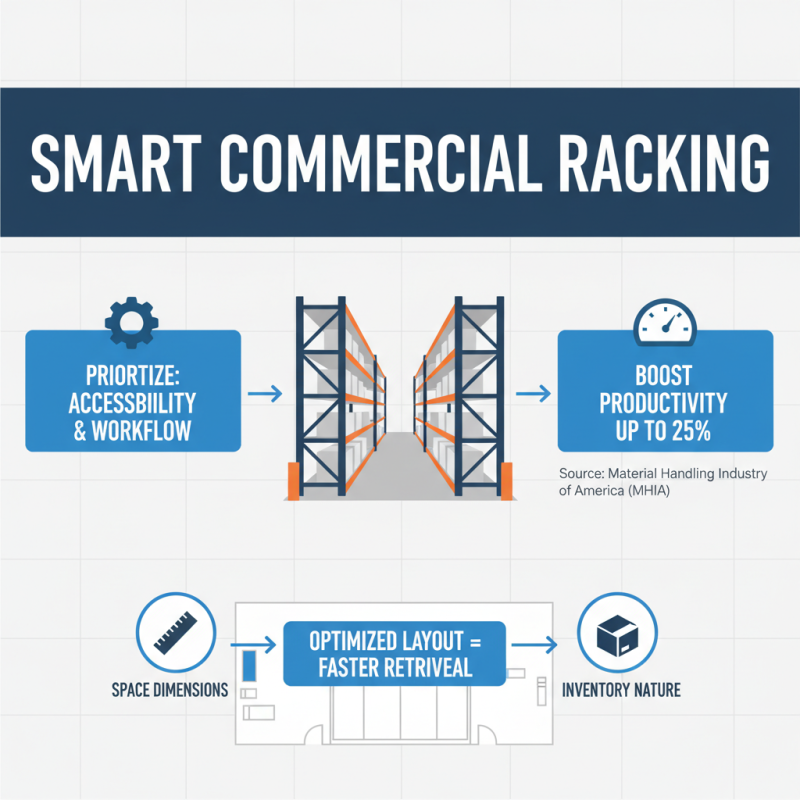
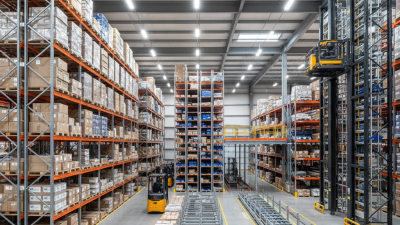
When selecting the right commercial racking system, it's crucial to first assess your storage space and inventory needs thoroughly. Begin by evaluating the dimensions and layout of your storage area. Consider factors such as ceiling height, floor space, and any obstructions like columns or doors that could impact your racking design. A strategically planned layout not only maximizes storage capacity but also streamlines the workflow, allowing for easy access to products.
Next, analyze your inventory characteristics. This involves understanding the types and quantities of items you store. Consider the size, weight, and turnover rate of your inventory. For example, high-turnover items may benefit from easily accessible racking solutions, while heavier items might require more robust systems. In addition, think about future needs; if your inventory is likely to change, choose a flexible system that can be adjusted or expanded accordingly. By carefully assessing these factors, you can make an informed decision that aligns with your operational requirements and optimizes your storage efficiency.
How to Choose the Right Commercial Racking System for Your Business Needs
| Racking Type |
Weight Capacity (lbs) |
Suitable for Warehouse Size |
Ideal Inventory Type |
Ease of Access |
Cost Range ($) |
| Selective Pallet Racking |
2000 - 4000 |
Large |
Palletized Goods |
High |
1500 - 3000 |
| Drive-In Racking |
3000 - 6000 |
Medium to Large |
Bulk Storage |
Moderate |
2500 - 5000 |
| Cantilever Racking |
1000 - 5000 |
Medium |
Long Items (Lumber, Pipes) |
High |
2000 - 4000 |
| Push Back Racking |
2000 - 4000 |
Medium to Large |
Palletized Goods |
Moderate |
2000 - 3500 |
| Mobile Racking |
1000 - 3000 |
Small to Medium |
Various Items |
Moderate to Low |
3000 - 6000 |
Evaluating Weight Capacity and Durability Requirements
When selecting a commercial racking system, understanding
weight capacity and
durability requirements is crucial for ensuring safety and efficiency in your operations.
Weight capacity refers to the maximum load that each unit can support, which varies significantly depending on the materials used and the configuration of the racking system.
Businesses need to evaluate their current and anticipated inventory loads carefully, as exceeding weight limits can lead to
structural failures, resulting in not only damaged products but also potential injuries.
Durability is another vital factor, as commercial racking systems are subjected to the rigors of daily use.
Systems designed for heavy-duty environments must be constructed from robust materials capable of withstanding impact, wear, and environmental factors.
For instance, units located in cold storage facilities require materials that resist corrosion at low temperatures.
By considering both weight capacity alongside durability, businesses can make informed decisions that align with their operational demands,
ultimately leading to improved productivity and long-term cost savings.
Considering Accessibility and Workflow Efficiency
When selecting a commercial racking system, it is crucial to prioritize accessibility and workflow efficiency to enhance productivity within your business operations. According to a report by the Material Handling Industry of America (MHIA), optimizing warehouse layout and design can improve order picking efficiency by up to 25%. A well-designed racking system allows for smoother navigation through the warehouse, reducing the time employees spend locating and retrieving products. Therefore, consider the dimensions of your space and the nature of your inventory to create a layout that minimizes obstructions and maximizes accessibility.
Additionally, the National Institute of Standards and Technology (NIST) highlights that the arrangement of racking should facilitate effective workflow. Implementing systems that consider both vertical and horizontal space can significantly streamline processes. For instance, incorporating adjustable shelf racking can better accommodate varying product sizes and shapes, leading to less time wasted during the picking process. Aligning your racking system with common workflows, such as FIFO (first in, first out) or LIFO (last in, first out), ensures that products move efficiently through your operations. This design choice not only enhances worker productivity but also contributes to better inventory management and reduced operational costs.
Analyzing Cost and Budget Constraints for Installation
When selecting a commercial racking system, understanding the cost and budget constraints plays a pivotal role in steering your decision. One of the primary factors to consider is the initial investment required for the racking system. Prices can vary significantly based on the type of materials and design complexity. For instance, while heavy-duty steel racks may offer durability and longevity, they typically come at a higher price point compared to lighter options. Therefore, it is crucial to assess your budget in relation to your storage needs and the expected return on investment.
Additionally, installation costs can often be overlooked. Beyond the purchase price, you'll need to factor in labor expenses for assembly and installation, which can vary based on the complexity of the system and the expertise required. Opting for a simpler design might reduce initial expenses but could impact efficiency in the long term. It's also advisable to consider potential ongoing costs, such as maintenance and the possibility of future expansions, which may necessitate additional budget allocations. By thoroughly analyzing these financial aspects, you can make a more informed choice about the commercial racking system that aligns with both your operational needs and financial capabilities.
Cost Comparison of Different Commercial Racking Systems