Blog
10 Best EMT Electrical Connectors for Global Buyers
Choosing the right Emt Electrical Connectors can influence installation speed, grounding continuity, and long-term system reliability. For global buyers, the decision involves more than price or attractive product photographs. Thread type, conduit size, material, sealing performance, and approval markings must match the project environment. A connector used in a dry indoor panel may fail sooner in a humid coastal facility. Small details matter.
This guide reviews ten practical connector options for electrical contractors, distributors, and purchasing teams. Each selection is considered through installation experience, manufacturer documentation, dimensional accuracy, corrosion resistance, and compatibility with common EMT conduit systems. Attention is also given to set-screw, compression, raintight, and flexible connection designs. These differences affect labor time and protection levels. They should not be ignored.
There is no universal best connector. That point deserves emphasis. Regional requirements may reference UL, CSA, IEC, or other recognized standards, and buyers should confirm current certification details before ordering. Product availability, customs documentation, and replacement support can also affect the real purchasing result. A connector that performs well in one market may not suit another project’s inspection process. Even experienced teams can miss a thread mismatch or underestimate installation space. Careful verification remains necessary.
The goal is practical guidance, not exaggerated claims. By comparing these ten Emt Electrical Connectors, global buyers can narrow their choices with greater confidence, identify possible weaknesses, and select products that fit their technical and commercial requirements. Reliability begins with accurate specifications. Not guesswork.
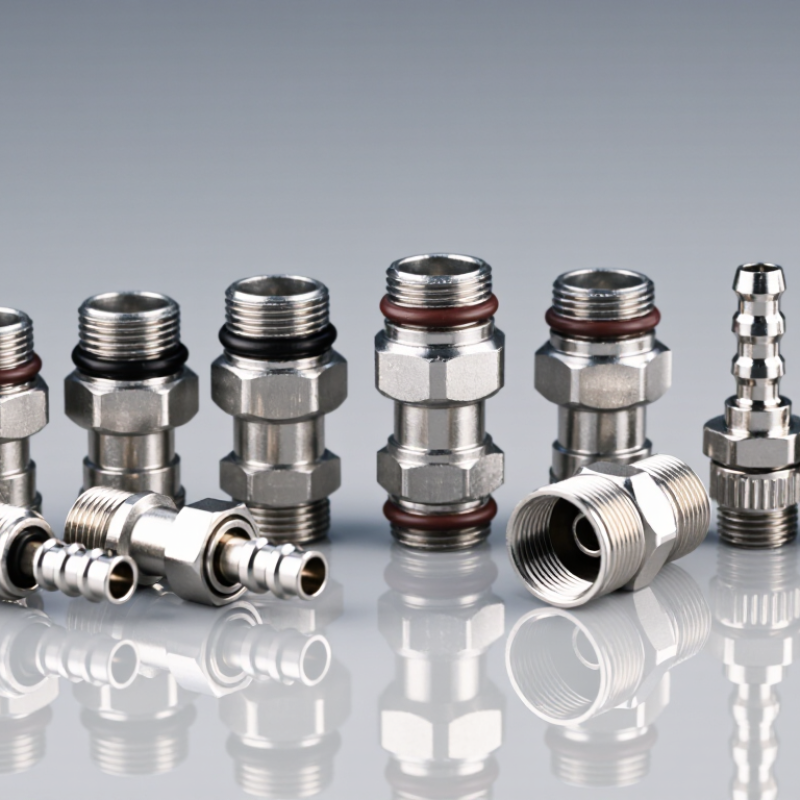
EMT Electrical Connectors: Definition, Purpose, and Main Applications
EMT electrical connectors join electrical metallic tubing to boxes, enclosures, and other raceway sections. They create a secure mechanical connection and help maintain a continuous grounding path. Common designs include set-screw and compression connectors. Each suits different installation conditions.
Their main purpose is protection. EMT tubing shields conductors from impact, moisture, and workplace movement. Connectors also reduce cable strain at entry points. They appear in factories, commercial buildings, data rooms, workshops, and solar installations. The International Energy Agency’s Electricity 2024 report expects global electricity demand to grow by about 4% annually through 2026. That expansion increases demand for dependable wiring infrastructure. However, growth does not remove installation risks. NFPA research reports about 32,000 home structure fires annually involving electrical distribution and lighting equipment in the United States. Poor connections remain one possible contributor.
Tips: Match connector size, tubing type, and enclosure opening. Check thread engagement and tighten according to the maker’s instructions. For outdoor or damp locations, verify the required protection rating. Global buyers should review IEC 61386 requirements and local electrical codes before ordering. Material quality matters, but it is not everything. A technically suitable connector can still fail when installers overlook alignment, burr removal, or grounding continuity. This is the part buyers often underestimate. Suppliers should provide test evidence, dimensional data, and clear installation guidance. Industry reports offer useful direction, yet real site conditions deserve equal attention.
Key Standards and Selection Criteria for Global EMT Connector Buyers
10 Best EMT Electrical Connectors for Global Buyers
Global EMT connector selection begins with standards, not catalogue photos. In the United States, EMT systems commonly reference NEC Article 358 and UL 514B. IEC 61386-1 and IEC 61386-21 may apply in other markets. Requirements differ for threads, coatings, impact resistance, and corrosion protection. Confirm the destination country before approving any connector. The IEA Electricity 2024 report forecasts global electricity demand growth of about 4% annually through 2026. That expansion increases infrastructure demand, but it also raises quality risks. A cheap fitting can create loose connections, moisture entry, or difficult maintenance.
Tips: Request compliance certificates, dimensional drawings, material declarations, and batch traceability. Check whether the connector suits rigid EMT, flexible transitions, or outdoor exposure. Verify trade size, wall thickness, grounding continuity, and tightening method. Compression fittings need consistent insertion depth. Set-screw fittings need controlled torque. Testing one sample is not enough; inspect several production lots. No checklist catches every installation error.
A reliable buying process compares ten connector candidates using the same criteria. Examine zinc or corrosion-resistant finishes under simulated exposure. Measure coupling alignment with a calibrated gauge. Review pull-out, vibration, and temperature test results. Ask for independent laboratory evidence when documents appear incomplete. The IEC does not automatically replace local approval rules. This is where many global purchasing teams hesitate, and correctly so. Standards can overlap without being interchangeable. Even a technically sound connector may fail a project review if its certification scope is too narrow. Procurement teams should record these gaps before shipment, not during installation.
Ten Leading EMT Electrical Connectors by Design, Use, and Performance
10 Best EMT Electrical Connectors for Global Buyers
Ten Leading EMT Electrical Connectors by Design, Use, and Performance
Selecting EMT electrical connectors requires more than comparing prices. The right choice depends on conduit size, installation environment, grounding needs, and local certification requirements. Ten leading designs include set-screw couplings, compression couplings, set-screw connectors, compression connectors, raintight compression connectors, insulated-throat connectors, grounding bushings, offset connectors, pull elbows, and conduit bodies.
Set-screw models suit dry indoor installations and allow quick adjustment with ordinary tools. Compression designs provide stronger mechanical contact and cleaner installation when vibration is present. Raintight versions protect connections in exposed areas, but installers must check sealing rings carefully. Insulated throats help protect wire insulation from sharp metal edges. Grounding bushings support bonding continuity where the installation requires additional protection. Offset connectors solve alignment problems near boxes. Pull elbows reduce bending stress around tight corners. Conduit bodies improve access during wire pulling. Small design differences matter.
Field experience shows that connector performance depends heavily on workmanship. A correctly rated connector can still fail when screws receive uneven torque or conduit ends remain rough. Check insertion depth, thread condition, sealing surfaces, and continuity with suitable test equipment. Local rules may differ across markets, so buyers should confirm material, finish, temperature range, ingress rating, and recognized testing requirements before shipment. Catalog images can mislead. I have seen apparently suitable fittings expose clearance problems during installation. That mistake is worth remembering. Test samples under realistic conditions, especially where moisture, vibration, or corrosion may affect long-term reliability.
Comparing Materials, Thread Types, Protection Ratings, and Installation Methods
Selecting the ten best EMT electrical connectors starts with the jobsite, not the catalog. Materials change performance. Zinc die-cast bodies suit common indoor installations and control costs. Aluminum reduces weight and resists corrosion. Stainless steel performs better in wet, chemical, or coastal environments. Nylon can help prevent galvanic contact, but its mechanical strength needs careful checking.
Thread compatibility is equally important for global buyers. NPT threads are common in North America, while metric threads dominate many international projects. Mixing thread forms can damage engagement and reduce sealing. IEC 60529 defines IP protection ratings. IP65 blocks dust and water jets, but it does not guarantee immersion protection. NEMA Type 4X adds corrosion-resistance requirements, so buyers should not treat IP and NEMA numbers as identical. Product certificates and test conditions matter.
Installation method affects both safety and reliability. Set-screw connectors install quickly, while compression fittings provide stronger resistance against vibration and moisture. Threaded adapters help connect different enclosure systems, but they require correct sealing and bonding practices. NFPA Research reported about 35,150 U.S. home fires annually involving electrical distribution and lighting equipment during 2016–2020. Those fires caused approximately 470 deaths and 1,100 injuries. Connector quality cannot replace workmanship. Field checks should verify conductor engagement, fitting alignment, locknut seating, and torque. Many installers still tighten by feel. That habit deserves reconsideration. A small gap around a connector can collect dust, water, and corrosion over time.
International Purchasing Factors: Compatibility, Certification, Cost, and Supply、】【
10 Best EMT Electrical Connectors for Global Buyers
Choosing EMT electrical connectors for international projects requires more than comparing unit prices. Confirm the connector fits the tubing outside diameter, knockout size, locknut, and enclosure type. Check threading carefully. Small dimensional differences can create loose joints, poor bonding, or difficult installation. A practical sample test should include assembly with the actual conduit, panel, and tools used on site.
Certification requirements vary by destination and project authority. Ask for current certificates, test reports, marking details, and the exact product scope. A document covering one size or material may not cover the complete connector range. Verify corrosion resistance, grounding performance, and suitability for indoor or outdoor use. I have seen purchasing teams trust a certificate without checking its revision date. That oversight can delay inspection.
Cost should include freight, duties, packaging, inspection, and possible replacement losses. Cheap connectors may become expensive when plating flakes or threads fail during installation. Supply reliability also matters. Review production capacity, minimum order quantities, sample timing, and backup material sources. Request consistent batch records and protective packaging for long-distance shipping. A spreadsheet helps, but it cannot reveal every installation problem. Keep a small allowance for unexpected site conditions. That is not wasteful; it is realistic purchasing.
10 Best EMT Electrical Connectors for Global Buyers
International Purchasing Factors: Compatibility, Certification, Cost, and Supply