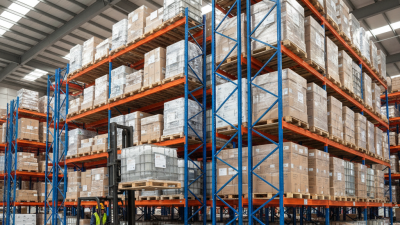
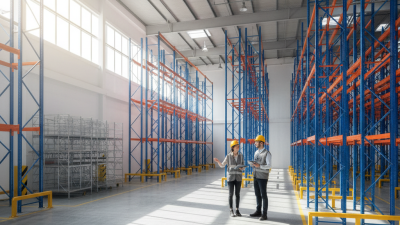
2025 Guide: How to Efficiently Rack Shelves for Maximum Space Utilization
In today's fast-paced and space-conscious environments, efficiently racking shelves is essential for both commercial and personal storage needs. As we move towards 2025, understanding the principles of maximizing space utilization can significantly improve organization and accessibility in various settings, from warehouses to retail stores and home storage solutions. This guide will explore innovative techniques and best practices for racking shelves, ensuring that every inch of space is utilized effectively.
The art and science of racking shelves involve strategic planning and execution. It is not merely about placing items on shelves; it requires a keen understanding of weight distribution, accessibility, and inventory management. By implementing smart racking systems, users can increase storage capacity while maintaining a clean and orderly appearance. This guide will delve into the key considerations and methodologies for racking shelves that can help individuals and businesses optimize their storage capabilities and reduce clutter.
Emphasizing the importance of layout, shelf type selection, and organizational strategies, this guide aims to provide valuable insights that cater to diverse needs. With effective shelf racking techniques, you can transform your space into a well-organized haven that promotes efficiency and functionality, setting the stage for success in the years to come.
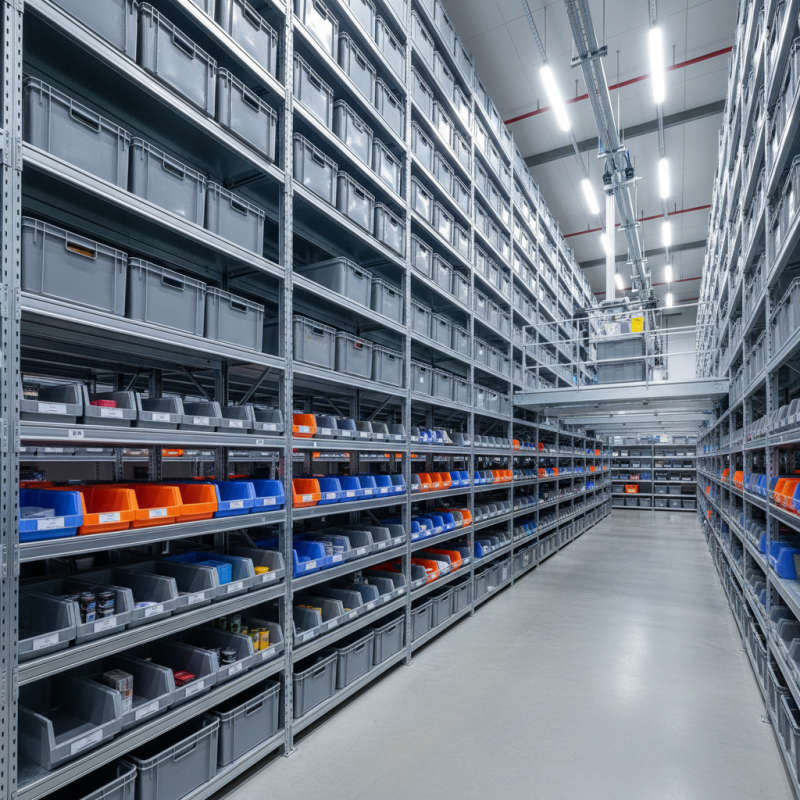
Understanding the Importance of Efficient Shelf Racking for Retail Spaces
Efficient shelf racking is a cornerstone of retail space management, playing a vital role in optimizing both product visibility and accessibility. When retailers prioritize effective shelving strategies, they can significantly increase the amount of merchandise displayed without overwhelming the customer. This not only enhances the shopping experience but also boosts sales potential, as customers are more likely to discover items that meet their needs. The arrangement of shelves can dictate the flow of foot traffic, guiding customers through various sections and ensuring that high-demand products are easily accessible.
Moreover, efficient shelf racking contributes to inventory management by allowing retailers to maximize their available space. By adopting a strategic approach to shelf configuration, businesses can utilize vertical space and create designated storage areas for different product categories. This method facilitates quicker stock rotation and easier restocking processes, ultimately leading to better inventory control. In an environment where space is often at a premium, the importance of optimized shelving cannot be overstated, as it lays the groundwork for improved organizational efficiencies and a more streamlined retail operation.
Analyzing Optimal Shelf Heights for Different Product Types
When designing shelving systems for maximum space utilization, understanding the optimal height for different types of products is essential. Each category of merchandise has unique dimensions and turnover rates that influence shelf placement. For example,
heavier items like cans and bulk goods are best positioned on lower shelves to facilitate easy access and minimize the risk of injury. Conversely,
lighter items, such as toiletries or small electronics, can be stored on higher shelves, taking advantage of vertical space without compromising accessibility for customers.
Moreover, specialized products often require tailored shelving strategies. For instance, clothing retailers benefit from
adjustable shelving that accommodates various seasonal inventory changes, allowing for both folded and hanging items to be displayed effectively. In contrast, items with a high volume of sales, such as groceries, should be placed at eye level in a manner that encourages quick picking.
Understanding the dynamics of each product category not only enhances visual appeal but also boosts overall efficiency, ensuring that each inch of shelving space is optimized for performance.
Implementing Effective Shelf Arrangement Techniques to Maximize Space
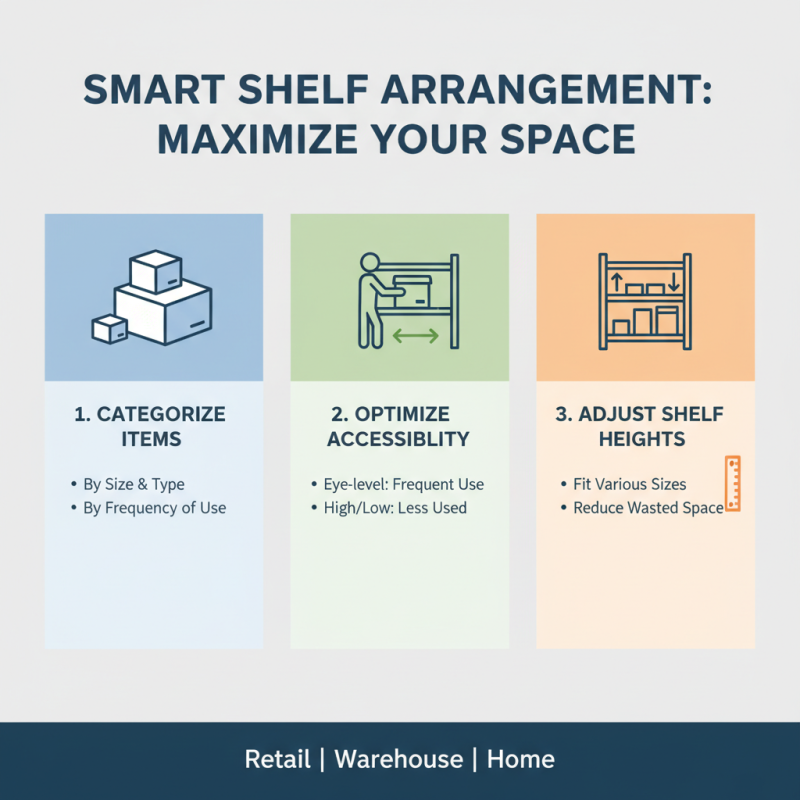
Implementing effective shelf arrangement techniques is crucial for maximizing space in any storage environment, whether it be a retail store, warehouse, or even a domestic setting. One of the fundamental strategies involves categorizing items by size, frequency of use, and type. By placing frequently accessed items at eye level and less-used products on higher or lower shelves, you can enhance accessibility while ensuring optimal use of vertical space. Furthermore, adjusting shelf heights to accommodate items of varying sizes can help prevent wasted space and create a more organized appearance.
Another effective technique is to utilize clear labeling systems and modular shelving units. Labels not only improve inventory management but also make it easier for staff or family members to find items quickly, reducing search time. Modular shelving allows for flexibility in the arrangement, making it simpler to adapt to changing inventory levels or seasonal items. Incorporating these ideas can transform cluttered areas into efficient, easily navigable spaces, leading to a more productive environment overall. By applying strategic shelf arrangement methods, you can ensure that each inch of space is maximized, promoting both efficiency and organization.
Utilizing Advanced Storage Solutions: Modular vs. Fixed Shelving Systems
When it comes to efficient space utilization in shelving systems, the choice between modular and fixed shelving is crucial. Modular shelving systems offer a flexible solution that can adapt to changing storage needs. They are designed to be moved and reconfigured easily, allowing businesses to optimize space based on inventory fluctuations or layout changes. This adaptability is particularly beneficial in dynamic environments such as warehouses or retail settings, where products may vary in size and quantity over time. Furthermore, modular systems often have the capability to integrate with other storage solutions, enhancing overall space efficiency.
In contrast, fixed shelving systems provide a more stable and robust solution for long-term storage needs. These units are typically anchored in place, offering greater support and maximizing vertical space. Fixed systems work well for storing standard-sized items or equipment that won’t change frequently. They are often more cost-effective for organizations with predictable inventory patterns, as they require less ongoing investment in reconfiguration. While they lack the versatility of modular systems, fixed shelving can significantly enhance organization and accessibility in dedicated areas, ensuring that every inch of space is effectively utilized.
Key Metrics and Industry Standards for Measuring Shelf Space Utilization
Maximizing shelf space utilization is crucial for any retail or warehouse operation, particularly as the demand for efficiency continues to rise. According to the "2022 Warehouse Operations Study" conducted by the Warehousing Education and Research Council (WERC), companies that optimize their shelf space can increase their storage capacity by up to 30%. This improvement not only allows for better inventory management but also enhances workflow efficiency. Key metrics to consider include vertical space utilization, which is often overlooked; effective use of vertical shelving can elevate storage availability, leading to a significant reduction in operational costs.
Another essential metric is the turnover rate, which measures how quickly stock is sold and replaced. The "2019 Inventory Optimization Report" by the National Retail Federation highlights that businesses with high turnover rates can achieve up to 15% more shelf space efficiency by ensuring that fast-moving items are placed at eye level and easily accessible. Furthermore, the depth and width of shelves should align with product dimensions to avoid wasted space. By adopting these industry standards and focusing on detailed metrics, businesses can create an environment that promotes both accessibility and efficiency, ultimately driving profitability in an increasingly competitive landscape.